
"flat Brazilian beans"
400 article(s) found
Introduction of Brazilian Hilado Coffee Bean Flavor description Grinding scale treatment Manor
Brazilian coffee generally refers to coffee produced in Brazil. There are many kinds of coffee in Brazil. Like other Arabica coffee, Brazilian coffee is called Brazils to distinguish it from Milds coffee. The vast majority of Brazilian coffee is unwashed and sun-dried and is classified according to the name of the state of origin and port of transport. Brazil has 21 states and 17 states produce coffee, but four of them produce the most coffee.

Introduction to the characteristics and varieties of Brazilian Coffee with excellent Flavor
Brazil is located in southeastern South America, spanning 35 to 74 degrees west longitude and 5 degrees north to 35 degrees south latitude. It is bordered by the South Atlantic Ocean to the east and any country in South America to the north, west and south (except Chile). It is bordered by French Guiana, Suriname, Guyana, Venezuela and Colombia to the north, Peru and Bolivia to the west, and Paraguay, Argentina and Uruguay to the south. Coastline

Description of the characteristics and Flavor of Brazilian Coffee beans Story Source of Brazilian Coffee production area
Brazil Hilado Coffee Bean characteristic Flavor description Taste treatment Variety producing region Brazil is vividly compared to the giant and monarch of the coffee world. There are about 3.97 billion coffee trees there, and small farmers now grow 75% of Brazil's total coffee production. Brazil produces twice or even three times as many coffee as Colombia, which is the second largest coffee in the world.

Boutique coffee beans Brazilian coffee the latest coffee introduction and information
Brazilian coffee generally refers to coffee produced in Brazil. There is a wide variety of Brazilian coffee, the vast majority of which are unwashed and sun-dried, classified according to the name of the state of origin and the port of transport. Brazil has 21 states and 17 states produce coffee, but four of them produce the largest, accounting for 98% of the country's total output. Brazilian coffee has a low sour taste, which goes well with coffee.

Brazilian coffee has a unique, mild flavor, low acidity and moderate alcohol.
Brazilian coffee generally refers to coffee produced in Brazil. There is a wide variety of Brazilian coffee, the vast majority of which are unwashed and sun-dried, classified according to the name of the state of origin and the port of transport. Brazil has 21 states and 17 states produce coffee, but four of them produce the largest, accounting for 98% of the country's total output. Brazilian coffee has a low sour taste, which goes well with coffee.
Introduction to the Flavor characteristics of Brazilian Bourbon Rivida Coffee beans, Grinding scale varieties and quality
Brazilian coffee beans the bourbon in the Brazilian bourbon Santos comes from the Bourbon Indian Arabica coffee tree. The island of Bourbon, now known as Reunion, was once a thriving place for Arabica coffee. Arabik coffee trees grown on the island were introduced around the world, and Brazil's Bourbon Santos is their descendant. Santos is from the port of Sandushi, which is a part of the Atlantic Ocean in southeastern Brazil.

Brazilian Coffee Bean Characteristics Flavor Description Grind Scale Variety Area Treatment
Brazilian Coffee Bean Characteristics Flavor Description Grind Scale Variety Production Area Treatment Brazil is figuratively compared to the giants and kings of the coffee world. There are about 3.97 billion coffee trees, and small farmers now grow 75 percent of Brazil's coffee. Brazil has twice or even three times as many coffee producers as Colombia, which is the world's second largest coffee producer.

Taste characteristics of Brazilian yellow bourbon coffee beans taste classification flavor description introduction of varieties in manor producing areas
Taste characteristics of Brazilian yellow bourbon coffee beans taste classification flavor description the present situation of variety introduction coffee in the manor producing area has been naturally favoured and has been cultivated in new places inland. Panama became famous as a new coffee producing place in Brazil after the war, and because its natural conditions are not superior, it is still inferior in quality compared with that produced in Sao Paulo. Now in the northern part of Sao Paulo

A wide variety of Brazilian fine coffee bean varieties grow market price profile
In addition, in planting, the balance of the whole environment, sprinkle herbicides, nourishing enough to sprinkle fertilizer nutrients of weeds dare to fill the land rich in humus of the harvest weeds production coffee trees will be reduced, while nature's careful operation, go in an earth-friendly and safe way. Therefore, small animals and earthworms are often seen on the ground, with unique characteristics of Serrado agricultural groups. also
Introduction to flavor description and taste treatment of sun-dried yellow bourbon coffee beans in South Minas, Brazil
Flavor description of tanned Yellow bourbon Coffee beans in South Minas Brazil although coffee is diverse, Brazilian coffee is suitable for the taste of the public. For example, coffee produced in the northern coastal areas has a typical iodine taste, reminiscent of the sea after drinking. This coffee is exported to North America, the Middle East and Eastern Europe. There is also a kind of coffee that is interesting and worth pursuing that has been washed.
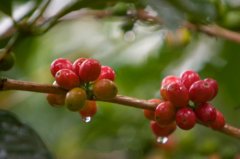
Brazilian boutique beans main stem South Minas coffee beans
Brazil is flat, with coffee farms mostly about 600-1000 meters above sea level, suitable for growing shade-free Kaddura, New World and Kaduai, also known as Sm CofFee. This is the main reason for the lack of aroma of Brazilian coffee (but when the altitude is more than 1100 meters, the taste of exposed coffee will improve, comparable to bourbon. See Chapter 4 of this book). The good news is that

South Minas, the backbone of Brazilian boutique beans
Brazil is flat, with coffee farms mostly about 600-1000 meters above sea level, suitable for growing shade-free Kaddura, New World and Kaduai, also known as Sm CofFee. This is the main reason for the lack of aroma of Brazilian coffee (but when the altitude is more than 1100 meters, the taste of exposed coffee will improve, comparable to bourbon. See Chapter 4 of this book). The good news is that

Brazilian Coffee Plantation Area Grinding Scale Processing Flavor Description Variety Introduction
Brazil has many large farms, operating endless coffee gardens, they use machine harvesting, and the use of machine drying, automated efficiency is very high, as if coffee as a general agricultural material, completely abandoned flavor and disregard. As a result, many specialty coffee companies simply do not sell Brazilian beans, lest they demean themselves

Mild aromas Brazilian coffee Flavor description Treatment characteristics Variety Taste
Coffee production has gradually become a science since the introduction of coffee trees from Guyane française in 1720. Before 1990, the Brazilian government strictly controlled the coffee industry, with both severe interference and price protection measures, and the state has always implemented minimum price protection measures for farmers, resulting in coffee overproduction. Before World War II, surplus stocks amounted to 780
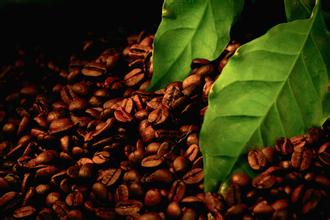
Flavor description of Brazilian Yellow bourbon Coffee Bean introduction of Grinding scale Variety Origin treatment method
The Flavor description of Brazilian Yellow bourbon Coffee beans Grinding scale Variety Origin treatment method the ancient bourbon coffee is grown in some estates in the Serrado district of Minas Greais state in southeastern Brazil. These estates, such as Capin Branco and Vista Allegre, are old bourbon varieties grown.

Brazilian Conillon Coffee Flavor description Price characteristics taste
Other kinds of Brazilian coffee, such as Rio and Parana, can be produced in large quantities because they do not need too much care. Although they taste rough, they can be regarded as a kind of good and cheap coffee. Because they are distributed all over Brazil and their solid quality varies, they have their own standards (NO.2~NO.8 according to the number of sundries, NO.13~NO.19 according to the size of beans, and six according to taste).

Introduction to the producing area of Brazilian Coffee Manor with strong fragrance
In terms of natural conditions, Brazil is in the tropics, with a tropical rain forest climate in the north, hot and humid all the year round, suitable for tropical crops, coffee trees are sunny crops, and sufficient sunlight is the condition for their growth. Historically, Brazil has been a Portuguese colony for a long time. In order to meet the needs of Western Europe, Brazilian coffee has been growing single crops for a long time and developing tropical plantations.

Introduction of Brazilian Coffee Flavor description, Grinding scale treatment and Regional varieties
Brazilian Coffee Flavor description Grinding scale treatment Variety introduction the ancient bourbon coffee is grown in some estates in the Serrado district of Minas Greais state in southeastern Brazil. These estates, such as Capin Branco and Vista Allegre, also grow old varieties of bourbon coffee.

Introduction to Brazilian Yellow bourbon Coffee Bean Flavor description Grinding scale Variety de-treatment taste Manor
Brazil Yellow bourbon Coffee Bean Flavor description Grinding scale varieties to deal with the taste Manor introduction of coffee trees from French Guiana (Guyana) in 1720, coffee production has gradually become a science. Before 1990, the Brazilian government carried out strict monitoring of the coffee industry, with both strict intervention and price protection measures, and the state has been implementing minimum price protection measures for farmers.

Flavor description of Brazilian Minas Fine Coffee beans introduction to the Regional treatment of Manor production
Description of the flavor of Brazilian Minas boutique coffee beans the characteristics of the regional treatment method of the manor production: exported from the port of Sao Paulo in Sao Paulo, it is the highest grade of Brazilian coffee. Beans with large grains, green or yellow are usually used for blending. It has a high aroma, moderate bitterness, sour taste like high-grade products, and the present situation of drinking coffee directly receives natural benefits.